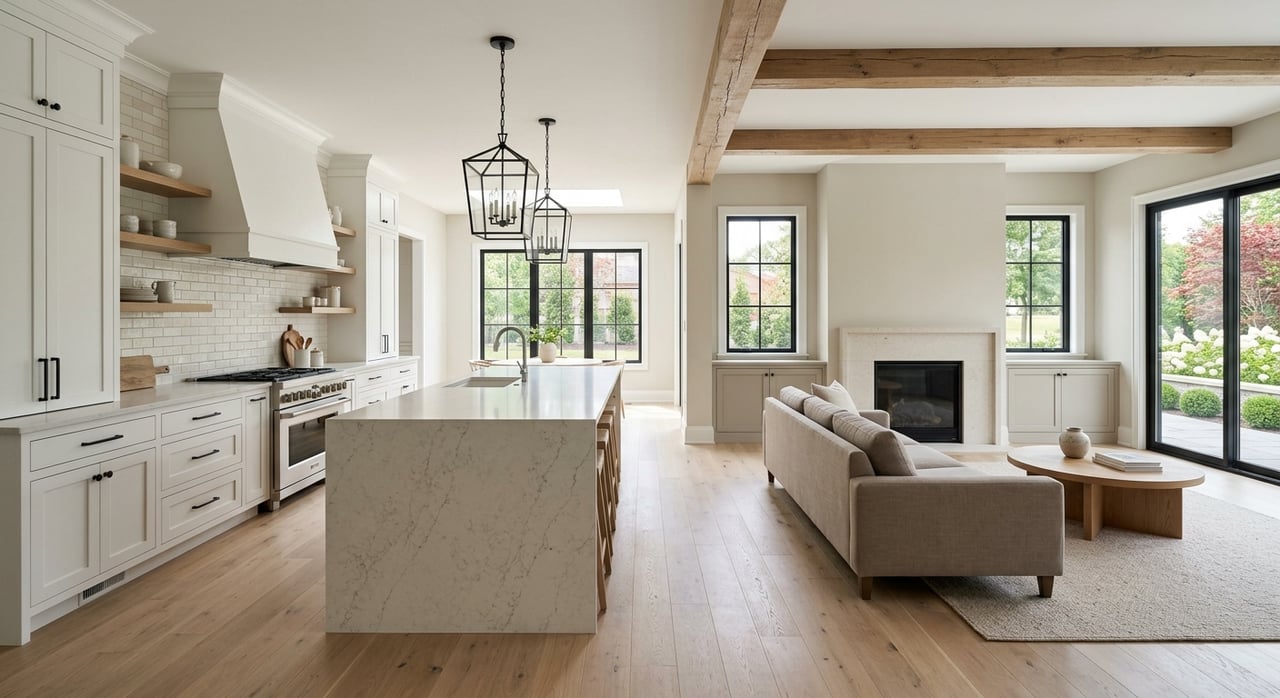
Feeling torn between the home you know and the lifestyle you want next? That is a very common place to be, especially in Hunterdon County, where many homeowners have deep roots and the housing landscape can make downsizing feel less simple than it sounds. If you are starting to think about a smaller home, a lower-maintenance setup, or a move that better fits this next chapter, a thoughtful plan can help you avoid rushed decisions and unnecessary stress. Let’s dive in.
Why downsizing in Hunterdon County takes planning
Downsizing in Hunterdon County often works best when you start earlier than you think you need to. The county has a high homeownership rate, with 85.1% of housing units owner-occupied, and the median value of owner-occupied homes is $517,200. That means many homeowners have substantial value tied up in their current home, but it also means replacement options may not be as plentiful or as simple as expected.
The local housing picture also matters. Hunterdon County has an older population, with 22.3% of residents age 65 or older, and county planning materials highlight extensive farmland preservation and open space. In practical terms, that often means downsizing choices are more likely to appear in borough centers, redevelopment areas, and certain multifamily or age-restricted communities instead of being spread evenly across the county.
Start with your real goal
Before you sort one closet or call one mover, get clear on what “downsizing” actually means for you. For some people, it means less upkeep. For others, it means lower monthly costs, one-floor living, walkability, or being closer to services and daily conveniences.
That first decision shapes everything else. If you want simpler living but still want to own, a townhome or smaller single-family home may make sense. If flexibility matters most, renting could be worth comparing, especially when you factor in maintenance, taxes, utilities, and possible association fees.
Ask yourself three key questions
A strong downsizing plan usually starts with these decisions:
- What type of home do you want next?
- What monthly carrying cost feels comfortable?
- Do you want to move now, or in stages?
These questions sound basic, but they create the framework for better choices. Without them, it is easy to react to whatever listing appears first instead of choosing a home that truly fits your next chapter.
Compare costs before you commit
A smaller home does not always mean a lower monthly budget. Hunterdon County’s median monthly owner cost with a mortgage is $3,086, while median gross rent is $1,687. Depending on the home you choose, ownership costs can shift quickly once you add property taxes, HOA dues, maintenance, utilities, moving costs, and possible storage.
This is why net proceeds matter more than headline sale price. If you plan to sell first and buy or rent next, compare your likely proceeds with your future monthly costs before making any big decisions. That gives you a clearer picture of what is comfortable now, not just what looks good on paper.
Budget items to review
Before you choose your next home, compare:
- Mortgage or rent
- Property taxes
- HOA or condo fees
- Utilities
- Routine maintenance
- Moving expenses
- Storage costs
- Any repair or prep costs for your current home
Lambertville’s housing guidance also notes that homeowner affordability should include HOA dues and maintenance costs. That is a helpful reminder for anyone considering a condo, townhome, or other lower-maintenance option.
Where downsizers often look in Hunterdon County
Not every part of Hunterdon County offers the same mix of housing types. If you want a lower-maintenance home, a more compact setting, or better walkability, a few towns stand out based on current municipal planning and housing information.
Flemington housing options
Flemington offers one of the broadest mixes of compact housing types in the county. Its 2025 draft housing plan notes that the borough is one of the few places in Hunterdon County where residences, shopping, employment, and government services are walkable to one another. For many downsizers, that kind of convenience can reduce driving and simplify daily life.
The same plan points to a range of housing already in place or approved, including Herman E. Kapp senior rental apartments, Courthouse Square family rentals, Spice Factory family rentals, Liberty Village townhomes, and a larger Liberty Village redevelopment with 111 for-sale townhouses and 12 affordable veteran apartments. That does not guarantee availability, but it does suggest a wider range of formats than many nearby towns.
Clinton housing options
Clinton can appeal to downsizers who want a compact small-town setting. The town describes itself as 1.4 square miles, easily accessible, with a walkable Main Street and sidewalks. That scale can be attractive if you are looking for a home base that feels manageable and connected.
Clinton’s affordable-housing updates show an active one-bedroom moderate-income unit for sale in Alton Place, and the town’s master planning has included districts that permit multifamily dwellings, townhouses, two-family units, and certain low- and moderate-income housing. In short, Clinton may be worth watching if walkability and lower-maintenance living are priorities.
Lambertville housing options
Lambertville offers a small, dense, historic setting with some age-restricted options. The city’s housing page notes two affordable age-restricted apartment complexes, Hibernia Apartments and South Hunterdon Apartments, and identifies three affordable-housing overlay zones. For some downsizers, that mix may be appealing if they want a more compact environment.
At the same time, Lambertville’s housing information also suggests tighter supply and less room for expansion than more suburban parts of the county. That means planning ahead is especially important if this is one of your preferred destinations.
How to evaluate your next-home options
When you downsize, the right fit is about more than square footage. You are really comparing lifestyle, cost, maintenance, timing, and how much flexibility you want over the next few years.
Here is a simple way to think about common options:
| Option | Often appeals to downsizers who want | Key consideration |
|---|---|---|
| Condo or townhome | Lower exterior maintenance, simpler living | HOA dues and rules can affect monthly cost |
| Smaller single-family home | More privacy with less space to maintain | Upkeep may still be significant |
| Rental | Flexibility and less repair responsibility | Long-term housing costs can change over time |
| Age-restricted housing | Community designed for a specific age group | Eligibility and availability vary |
If you are reviewing official affordable-housing lists, the New Jersey DCA guide defines age-restricted housing as 55-plus or 62-plus, family housing as income-qualified housing open to the public, and special housing as units for special-needs populations such as veterans housing, homeless shelters, and group homes. Understanding those labels can save time and help you focus on the right options.
Plan your sale and move in the right order
A thoughtful move usually feels more manageable when you break it into steps. Instead of trying to solve everything at once, focus on sequencing your decisions.
A practical downsizing sequence often looks like this:
- Clarify your goal for the next home.
- Review your budget and comfort level.
- Sort belongings into keep, donate, sell, and discard.
- Identify likely housing options.
- Prepare your current home for sale.
- Coordinate the move based on your timeline.
This kind of structure is especially helpful if you are leaving a longtime family home. It creates room for thoughtful choices instead of last-minute pressure.
Do not overlook permits and local rules
If you plan to make updates before selling, check local requirements first. Even projects that seem straightforward may need permits or zoning review depending on the scope of work.
For example, Clinton’s construction office handles permits for new construction, alterations, additions, and minor work, while the zoning office answers zoning questions. The same general principle applies across municipalities: before starting repairs, improvements, or changes to a property, confirm what your town requires.
Include property-tax relief in your budget review
For older homeowners, state property-tax relief may affect the math of your move. New Jersey says eligible senior homeowners and renters can use one PAS-1 application for ANCHOR, Senior Freeze, and Stay NJ. If you are comparing staying put, renting, or buying again, these programs may be worth reviewing as part of your planning.
Because eligibility, deadlines, and benefits can change, it is smart to verify current details with the state and discuss your situation with your tax professional. A thoughtful downsizing plan should account for both housing costs and tax-related factors.
Make family decisions early
Downsizing is rarely just a housing decision. It is also about memory, identity, routines, and sometimes family dynamics. If adult children are helping a parent move, one of the most useful steps is creating a simple decision structure early.
That can include:
- Who makes final decisions
- Who helps with sorting and packing
- What happens to heirlooms and keepsakes
- What timeline feels realistic
This keeps the process respectful and organized. It also lowers the chance that important decisions will be made under pressure just because a housing opportunity appears.
Use official tools to widen your search
If you are exploring income-restricted or age-restricted housing, official resources can help you search more efficiently. Hunterdon County’s Division of Housing says it administers the Housing Choice Voucher Program for about 482 tenant families and maintains a housing resource guide and interactive map.
The New Jersey DCA guide and the NJ Housing Resource Center are also useful starting points. These tools can help you identify housing by county and municipality and sort by details such as bedroom size, rent, accessibility features, age restrictions, and local contacts.
A thoughtful move starts with clarity
The best downsizing moves are rarely the fastest ones. They are the ones built around your goals, your budget, and your pace. In Hunterdon County, where housing options can vary widely by town and inventory type, that kind of clarity matters.
If you are starting to think through a downsizing move in Flemington, Clinton, Lambertville, or elsewhere in Hunterdon County, the right guidance can make the process feel calmer and more manageable. When you are ready for a steady, strategic conversation about your options, connect with Christine Cura.
FAQs
What should I do first when planning a downsizing move in Hunterdon County?
- Start by defining your goal for the next home, your comfortable monthly budget, and whether your move will happen now or in stages.
Where can I find age-restricted housing information in Hunterdon County?
- A good starting point is the New Jersey DCA housing guide, the NJ Housing Resource Center, local municipal housing pages, and the Hunterdon County Division of Housing.
Which Hunterdon County towns may offer more compact housing options for downsizers?
- Based on municipal plans and housing pages, Flemington, Clinton, and Lambertville are useful places to explore for more compact or lower-maintenance housing formats.
How do official New Jersey housing lists define age-restricted and family housing?
- The New Jersey DCA guide defines age-restricted housing as 55-plus or 62-plus, while family housing is income-qualified housing open to the public.
Should I update my Hunterdon County home before selling it?
- It depends on the work, but before making repairs or improvements, check your local permit and zoning requirements because some projects may need municipal review.
Can New Jersey property-tax relief affect my downsizing plan?
- Yes. Eligible senior homeowners and renters may be able to use the PAS-1 application for ANCHOR, Senior Freeze, and Stay NJ, so those benefits may be worth reviewing as part of your budget planning.