By Christine Cura
A home library is one of those spaces that feels both practical and indulgent — and in Somerset County, where homes often have the room to make it happen, it's also one of the most personally satisfying projects a homeowner can take on. Whether you have a dedicated room to work with or just a wall in a study that's waiting to be used, here's how to build a home library that reflects who you are and actually gets used every day.
Key Takeaways
- A home library doesn't require a dedicated room — a well-designed reading nook or built-in wall of shelving can serve the same purpose
- The best home libraries balance storage, seating, lighting, and atmosphere
- Built-in shelving is one of the highest-value design investments in a Somerset County home
- Organizing and curating your collection is as important as the design of the space itself
Start with the Space You Have
The first step is honest assessment of what you're working with. A dedicated room is ideal but far from the only option. Many of the most well-used home libraries in Somerset County are built into corners of studies, along wide hallways, or as a focused wall in a living room.
Underutilized spaces are worth a second look. Staircase landings, alcoves under staircases, and guest rooms that double as studies are all viable candidates. The goal is to create a space with three things: enough shelving for your current collection and room to grow, comfortable seating that invites you to stay, and lighting that makes reading easy on your eyes.
Underutilized spaces are worth a second look. Staircase landings, alcoves under staircases, and guest rooms that double as studies are all viable candidates. The goal is to create a space with three things: enough shelving for your current collection and room to grow, comfortable seating that invites you to stay, and lighting that makes reading easy on your eyes.
Finding the Right Spot in Your Home
- Dedicated room: The most versatile option — a spare bedroom, a converted formal dining room, or a ground-floor study. You have full control over the atmosphere, and the space can be designed from the floor up with shelving, lighting, and seating working together.
- Staircase landings and alcoves: Often overlooked, these transitional spaces in Somerset County's colonial and craftsman-style homes frequently have enough room for floor-to-ceiling shelving and a compact seating area.
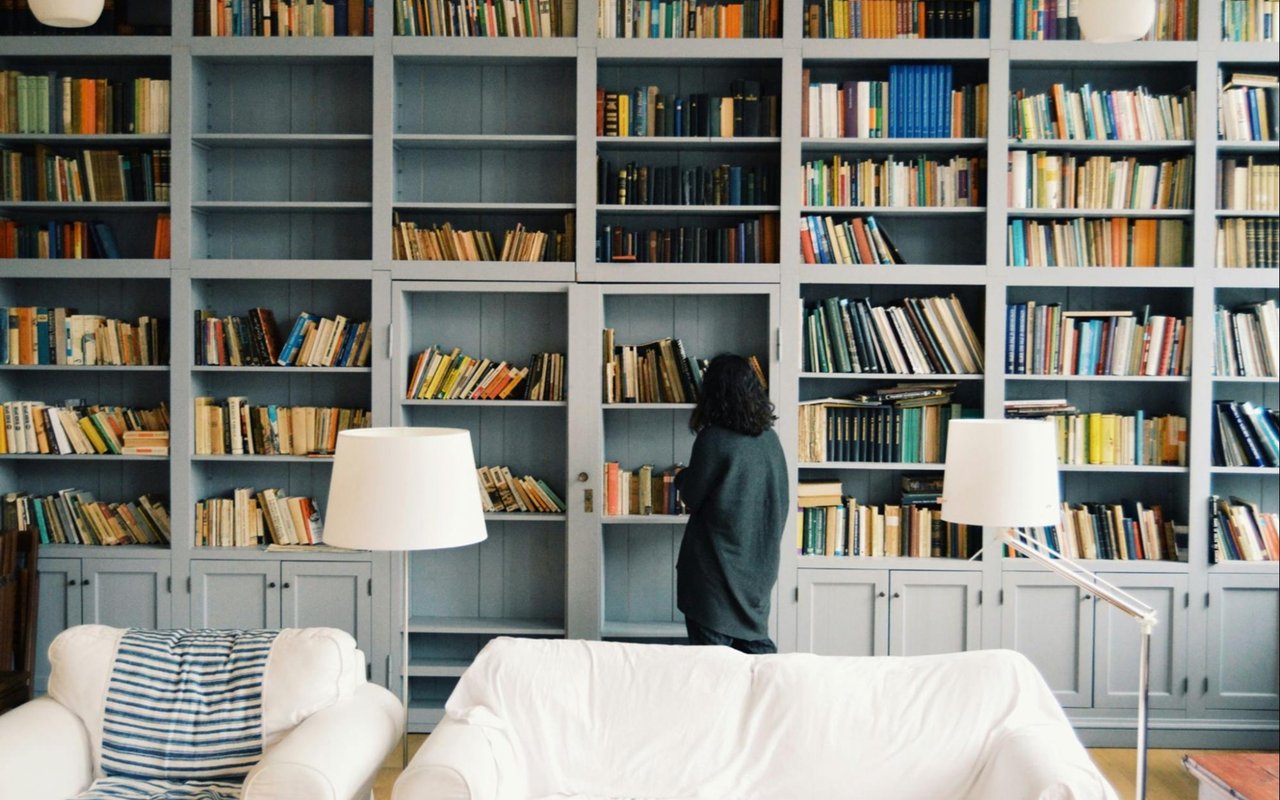
- A dedicated wall in an existing room: Floor-to-ceiling built-in shelving along one wall of a living room, study, or family room creates a library feel without requiring a separate space.
- Converted closets and nooks: A walk-in closet, a deep alcove, or a wide nook can become a surprisingly cozy reading room with the right shelving and a comfortable chair tucked inside.
Shelving: The Foundation of Every Home Library
Shelving is the most important design decision in a home library. The difference between freestanding bookcases and custom built-ins is significant — both in how the space looks and in how much it contributes to your home's value.
Built-in shelving is one of the features buyers in Somerset County's market consistently respond to — it signals craftsmanship and permanence in a way that freestanding furniture doesn't. If you're building with resale in mind or simply want something that feels finished, built-ins are the right investment.
Built-in shelving is one of the features buyers in Somerset County's market consistently respond to — it signals craftsmanship and permanence in a way that freestanding furniture doesn't. If you're building with resale in mind or simply want something that feels finished, built-ins are the right investment.
Shelving Options for Every Budget
- Custom built-ins: The most impactful option. Built to the exact dimensions of your space, floor to ceiling, with integrated lighting and optional cabinet bases. In Somerset County homes, this kind of millwork adds real appraised value.
- Semi-custom shelving systems: Modular systems configured to a wall and given a built-in look with trim, crown molding, and a consistent paint color can read as custom at a fraction of the cost.
- Freestanding bookcases: The most flexible option. Look for solid wood cases that reach close to your ceiling height — floor-to-ceiling bookshelves hold significantly more and give the room the visual weight of a proper library.
- Ladder shelving: For homes with high ceilings, a library ladder on a rail is both a practical tool and a design statement that signals the collection is serious.
Seating, Lighting, and Atmosphere
Shelving holds your books. Seating and lighting determine whether the space actually gets used. Without a place to sit and read for an extended period, a home library is just a book storage room — and the distinction is worth investing in.
For seating, prioritize comfort. A well-upholstered armchair with good lumbar support, a matching ottoman, and a side table for a drink or lamp are the essentials. A small sofa or built-in window seat adds a second option for reading with a partner or spreading out.
For seating, prioritize comfort. A well-upholstered armchair with good lumbar support, a matching ottoman, and a side table for a drink or lamp are the essentials. A small sofa or built-in window seat adds a second option for reading with a partner or spreading out.
Creating the Right Library Atmosphere
- Lighting layers: A good floor lamp or reading lamp positioned at the right height relative to your seating is essential. Wall sconces between shelving sections are a classic library detail that works especially well in Somerset County homes with traditional architecture.
- Color and texture: Deep, rich tones — forest green, navy, warm burgundy, dark walnut wood — give a library its characteristic feel. Warmer, neutral palettes work well in rooms that double as offices or family spaces.
- A fireplace if possible: Somerset County's four-season climate means a fireplace — gas or wood-burning — takes a home library from pleasant to exceptional. It's the detail that turns a room into a retreat.
- Personal touches: The best home libraries reflect the person who built them. Art, objects collected over time, framed maps, and family photos integrated with the books make the space feel lived in rather than staged.
Frequently Asked Questions
Do I need a dedicated room for a home library in Somerset County?
Not at all. Many of the most functional and beautiful home libraries are built into a wall of an existing room or tucked into an underused space. What matters is having enough shelving for your collection, a comfortable place to read, and good lighting.
Does a home library add value to a Somerset County home?
Yes — particularly when it features custom or built-in shelving. Buyers consistently respond to well-finished library spaces as a premium feature, and a dedicated reading room or well-designed library wall signals craftsmanship and care that resonates strongly in Somerset County's market.
How should I organize my home library collection?
The most practical approach is organizing by the way you actually look for books — by genre, by author, or by subject area. Aesthetic approaches like organizing by color work visually but make retrieval harder. Choose a system that reflects how you use the collection, then add decorative elements within that structure.
Find a Somerset County Home with Room for Your Library
The right home gives you the space to build the life you want — including the reading room you've always pictured. Reach out to me, Christine Cura, and I'll help you find a Somerset County property with the right bones for every room you have in mind.