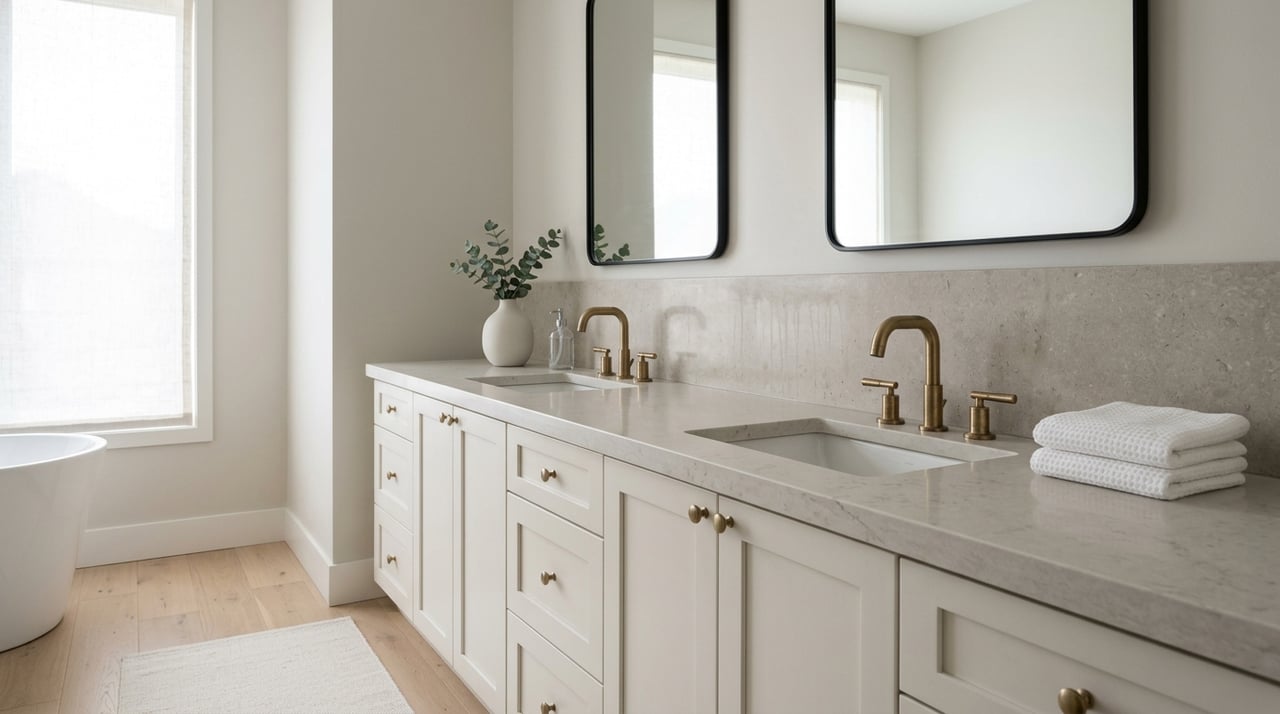
If you are thinking about selling in Bridgewater, the work you do before your home hits the market can shape how buyers respond from the very first photo. You may be balancing a busy schedule, a family transition, or the simple question of where to start. A thoughtful plan can help you focus on the updates that matter most, avoid unnecessary stress, and present your home in a way that feels clean, cared for, and easy to imagine living in. Let’s dive in.
Start With What Bridgewater Buyers Notice
Bridgewater Township is a large central Somerset County community with extensive parks and recreation, shopping, hotels, and major commuting routes including US 202, US 202/206, US 22, NJ 28, and I-287. NJ Transit’s Bridgewater Station also serves the Raritan Valley Line, with parking and bike access. For many buyers, that local context supports a strong preference for homes that feel practical, efficient, and ready for everyday life.
That does not mean your home needs a major renovation. It means your home should show well, function smoothly, and feel easy to maintain. When buyers walk in or scroll through photos, they should see a home that looks bright, organized, and move-in ready.
Focus on First Impressions
Before you think about larger projects, start with the basics buyers notice right away. Freddie Mac recommends a prep process built around cleaning, decluttering, depersonalizing, repairing, and staging. Those simple steps often do more for your listing than expensive changes made at the last minute.
Your goal is to remove distractions. Scuffed paint, a dripping faucet, a loose handle, or an overstuffed room can pull attention away from the home itself. Clean lines and good upkeep help buyers focus on space, light, and layout.
Prioritize These Visible Fixes
Small repairs can make a big difference in both listing photos and in-person showings. If something looks broken or unfinished, buyers may assume there are bigger issues behind it.
Consider tackling items like these before listing:
- Touch up scuffed or marked walls
- Repair leaky faucets
- Tighten loose door handles or cabinet hardware
- Replace burned-out light bulbs
- Clean windows and mirrors
- Fix anything that makes a room feel neglected or dim
Fresh paint can also help if walls show wear or bold color choices distract from the space. Neutral finishes and bright rooms tend to photograph better and feel more inviting.
Declutter With Purpose
One of the most effective pre-listing steps is also one of the least glamorous. Decluttering helps rooms feel larger, calmer, and easier for buyers to understand. Freddie Mac recommends removing excess clutter and avoiding overstuffed closets and drawers, while also reducing personal items so buyers can picture themselves in the home.
Think of this as editing, not erasing your life. You do not need to strip the home of all character. You just want each room to feel open enough that buyers can notice the layout, storage, and natural light.
Where To Declutter First
If time is limited, start in the spaces that shape a buyer’s first impression and daily routine. Focus on areas that tend to collect the most visual noise.
Start with:
- Entryway or front hall
- Living room
- Kitchen counters
- Primary bedroom
- Bathroom vanities
- Closets
- Garage or storage areas
In Bridgewater, storage and function can be especially important for households managing commuting, activities, and changing life stages. A tidy mudroom, organized garage, or neatly arranged closet can quietly reinforce the idea that the home supports a busy schedule well.
Stage the Rooms That Matter Most
Staging does not have to mean redesigning your entire home. It means presenting your home in a way that makes each space feel useful, balanced, and inviting. According to the National Association of Realtors 2025 Profile of Home Staging, 83% of buyers’ agents said staging made it easier for a buyer to visualize the property as a future home.
That same report found the rooms staged most often by sellers’ agents were the living room at 91%, the primary bedroom at 83%, and the dining room at 69%. If you are deciding where to focus your time and budget, those spaces are smart places to begin.
What Good Staging Should Do
NAR’s staging guidance points to several practical basics that help homes show better. Natural light, neutral wall colors, open space, streamlined décor, and clear room purpose all help buyers understand what they are seeing.
As you prepare each room, ask yourself a simple question: Is it obvious how this space works? If the answer is no, simplify it. A home office, bonus room, or flex area should feel intentional, especially in a town where many buyers value a smooth daily routine.
Keep These Staging Ideas In Mind
- Open curtains or blinds to maximize natural light
- Remove oversized or excess furniture
- Use neutral bedding and simple décor
- Clear kitchen counters except for a few essentials
- Give each room one clear purpose
- Add shelving or storage solutions if a space feels cramped
If your home is vacant or only lightly furnished, professional or virtual staging may be worth considering. NAR’s 2025 report also found that photos were rated much or more important by 73% of buyers’ agents, which makes visual presentation especially important before your listing goes live.
Get the Home Photo-Ready
Photos often create a buyer’s first showing. If your home looks polished online, more buyers are likely to take the next step and schedule a visit. That is one reason prep work should be finished before photography, not after.
Plan your timeline so cleaning, decluttering, repairs, and staging are complete first. Once the house is fully ready, schedule photography while the home is still in its best condition. That approach helps your online presentation match what buyers see in person.
A Simple Prep Order
Use this sequence to stay organized:
- Walk through the home and make a repair list
- Deep clean every room
- Declutter and depersonalize
- Touch up paint and finish small fixes
- Stage key rooms
- Schedule photography
- Keep the home show-ready
This kind of step-by-step process can reduce overwhelm, especially if you are preparing for a move during a busy or emotional season.
Be Careful With Bigger Projects
Not every pre-listing improvement is a weekend task. Bridgewater Code Enforcement says a construction permit is generally required when work involves constructing, enlarging, altering, or demolishing a structure, or when a project includes structural, electrical, plumbing, or mechanical work.
The township also notes that permit review can take up to 20 working days, and work done without a permit can lead to fines of up to $2,000. New Jersey’s Uniform Construction Code regulates this work statewide through building, electrical, fire protection, and plumbing subcodes enforced by state-licensed municipal code officials.
What This Means Before Listing
Cosmetic improvements can usually move quickly. Larger work may affect your timeline and require more planning.
Before starting any project that goes beyond basic cosmetic prep, pause and confirm whether it may fall into a regulated category. That can help you avoid delays, extra expense, or a problem that surfaces later in the selling process.
Projects that deserve a closer check may include:
- Removing or changing walls
- Electrical updates
- Plumbing changes
- Mechanical system work
- Structural alterations
- Additions or demolition work
In many cases, sellers are better served by focusing on clean presentation, basic repairs, and smart staging rather than trying to squeeze in a complicated remodel.
Keep Your Prep Practical
The best pre-listing plan is not always the most ambitious one. It is the one that helps your home show clearly, photograph well, and feel cared for. In most cases, that means putting your energy into visible maintenance, clean spaces, and rooms that feel calm and functional.
If you are downsizing, relocating, or helping a parent prepare for a move, this kind of structured approach can make the process feel much more manageable. You do not have to do everything at once. You just need a plan that helps you move through the right steps in the right order.
When you are ready to map out those steps, Christine Cura can help you prepare thoughtfully, stay organized, and list on a timeline that works for you.
FAQs
What should I fix before listing a home in Bridgewater?
- Start with visible issues buyers notice quickly, such as scuffed paint, leaky faucets, loose handles, burned-out bulbs, and anything that makes the home feel less cared for.
How much decluttering should I do before selling a Bridgewater home?
- Declutter enough that rooms feel open, closets are not overstuffed, and buyers can focus on the space rather than your belongings.
Which rooms should I stage before listing a Bridgewater property?
- The best rooms to prioritize are the living room, primary bedroom, and dining room, since these are staged most often and play a big role in buyer perception.
When should listing photos happen for a Bridgewater home sale?
- Photography should happen after cleaning, repairs, decluttering, and staging are fully complete so your online presentation shows the home at its best.
Do I need a permit for home updates before listing in Bridgewater?
- If the work involves structural, electrical, plumbing, mechanical, enlargement, demolition, or other regulated construction changes, check with Bridgewater Township before starting.