By Christine Cura
Investors are drawn to Hunterdon County’s mix of preserved farmland, established hamlets, and commuter-friendly access points that connect quickly to I-78 and Route 31 corridors. Inventory often includes historic stone farmhouses, updated Colonials on larger lots, and luxury properties with outbuildings that can support flexible use, which makes property selection highly specific.
This guide breaks down what matters most when investing in real estate in Hunterdon County, with a focus on strategy, property type, and long-term usability.
Key Takeaways
-
Micro-market choices
-
Property type strategy
-
Due diligence essentials
-
Long-term positioning
Choose Your Micro-Market Before You Choose a Property
Hunterdon County behaves like a collection of distinct micro-markets, and returns often depend on street-by-street and town-by-town differences.
Why location strategy comes first in Hunterdon County
-
Clinton and Lebanon corridor: Use proximity to I-78 access points to support commuter-driven demand and easy weekend travel.
-
Flemington and Raritan Township: Make sure to evaluate neighborhoods near downtown services and daily conveniences that shape long-term desirability.
-
Lambertville and Stockton: Use the Delaware River setting and walkable cores to align with lifestyle-focused demand.
-
Tewksbury and Readington edges: Make sure to factor in larger-lot patterns and how privacy, driveways, and landscaping affect upkeep.
This approach keeps investing decisions grounded in how people actually use the county.
Match the Investment Plan to the Right Property Type
Hunterdon County inventory ranges from in-town homes with compact lots to estate-style properties with acreage, and each category performs differently.
Why property category shapes your outcomes
-
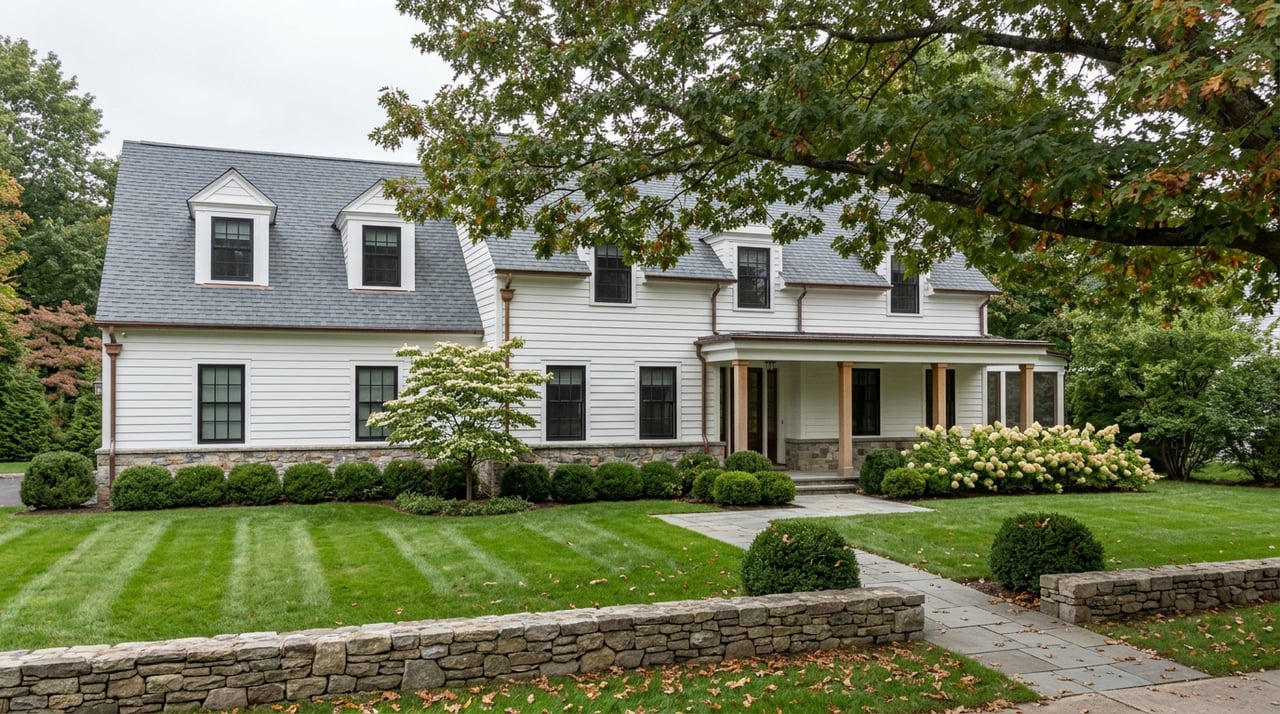
In-town single-family homes: Use locations near Main Street areas for broad appeal and easier maintenance planning.
-
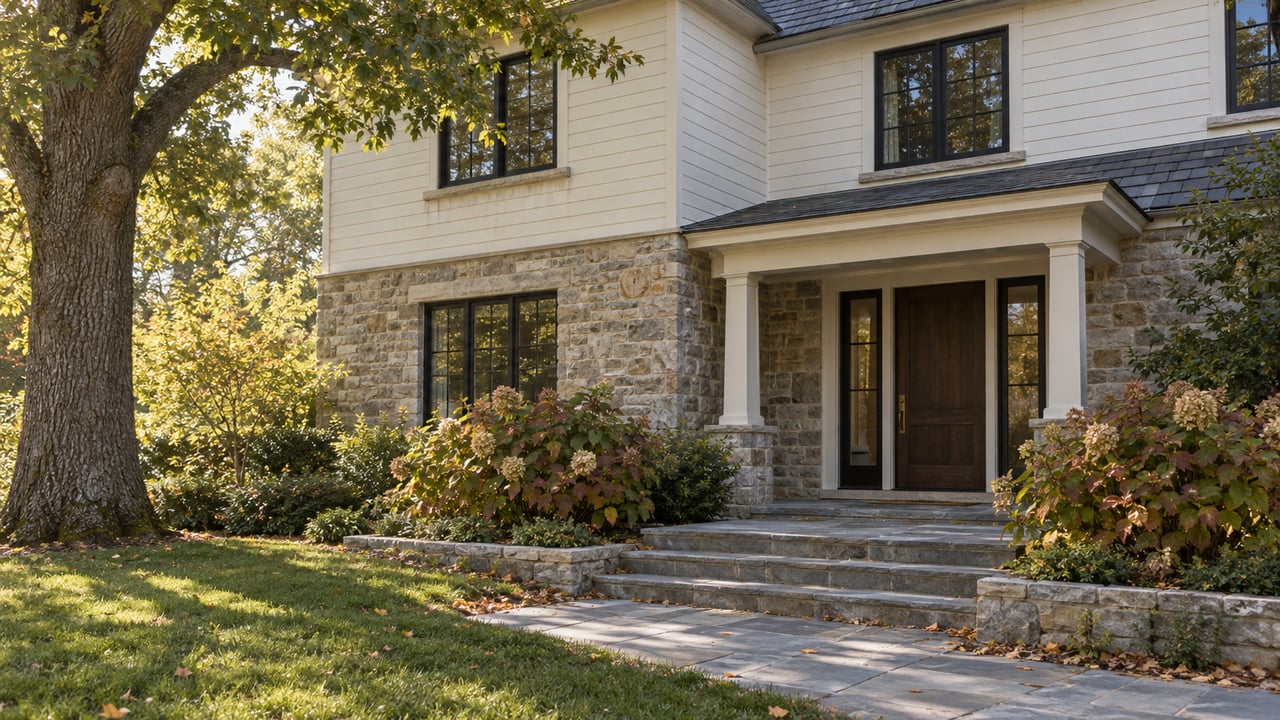
Luxury homes on acreage: Make sure to budget for long driveways, fencing, and grounds care that protect long-term condition.
-
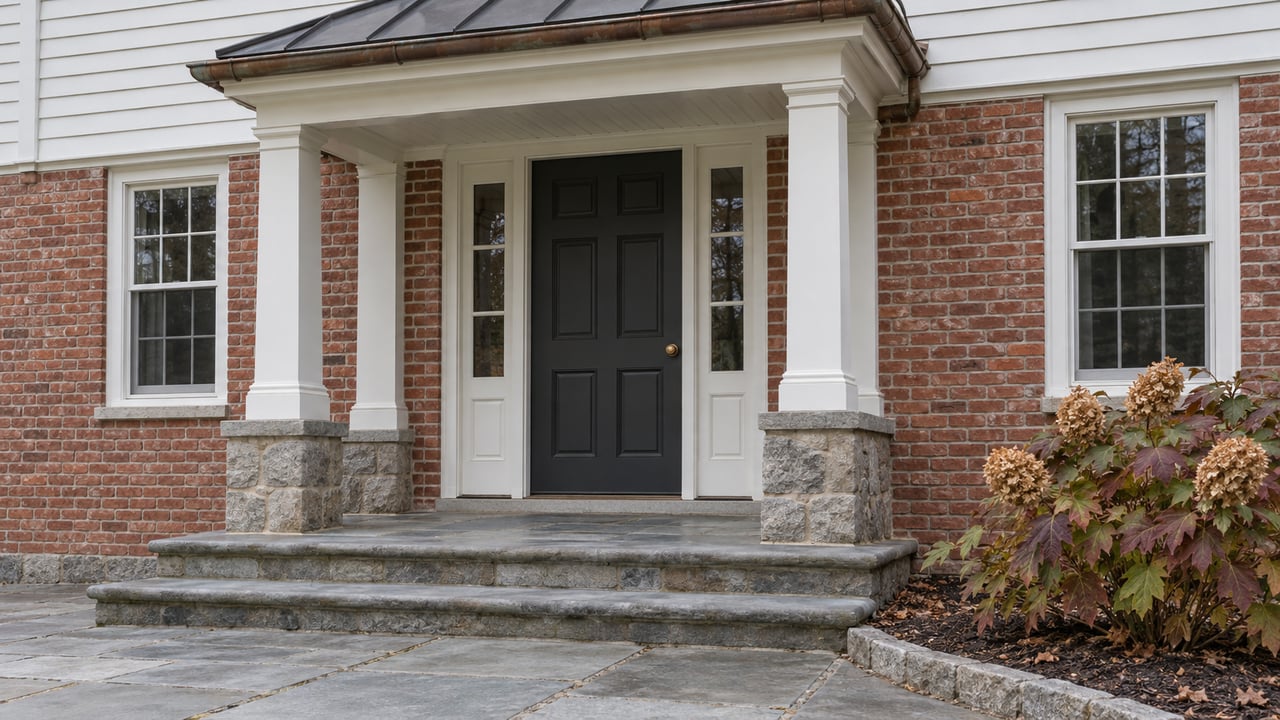
Historic properties: Use a detailed inspection approach that accounts for stone foundations, plaster walls, and older mechanical layouts.
-
Multi-unit or mixed-use options: Make sure to focus on areas where zoning and parking patterns support stable tenant routines.
Choosing the right category makes investing decisions easier to manage year after year.
Build a Due Diligence Process That Fits Older and Rural Assets
Many Hunterdon County homes carry character and complexity, especially where renovations layer over older construction.
Why diligence should be more than a basic inspection
-
Mechanical system review: Make sure HVAC, water heating, and electrical panels match the home’s size and usage.
-
Foundation and moisture checks: Use careful evaluation of basements, crawlspaces, and perimeter drainage.
-
Road access and easements: Make sure shared drives, private lanes, and access rights are clearly documented.
-
Renovation quality: Use a finish-and-function review for kitchens, baths, windows, and insulation choices.
A strong diligence process protects both value and livability. It also supports investing in real estate in Hunterdon County by reducing risk tied to property age and land features.
Plan for Exit Flexibility and Long-Term Market Positioning
Hunterdon County's value is often reinforced by lifestyle appeal, land stewardship, and the way towns maintain a distinct identity over time.
Why flexibility keeps an investment resilient
-
Layout versatility: Make sure the home supports work-from-home space, guest capacity, and comfortable everyday flow.
-
Outdoor usability: Use patios, decks, and defined yard areas to increase enjoyment and perceived value.
-
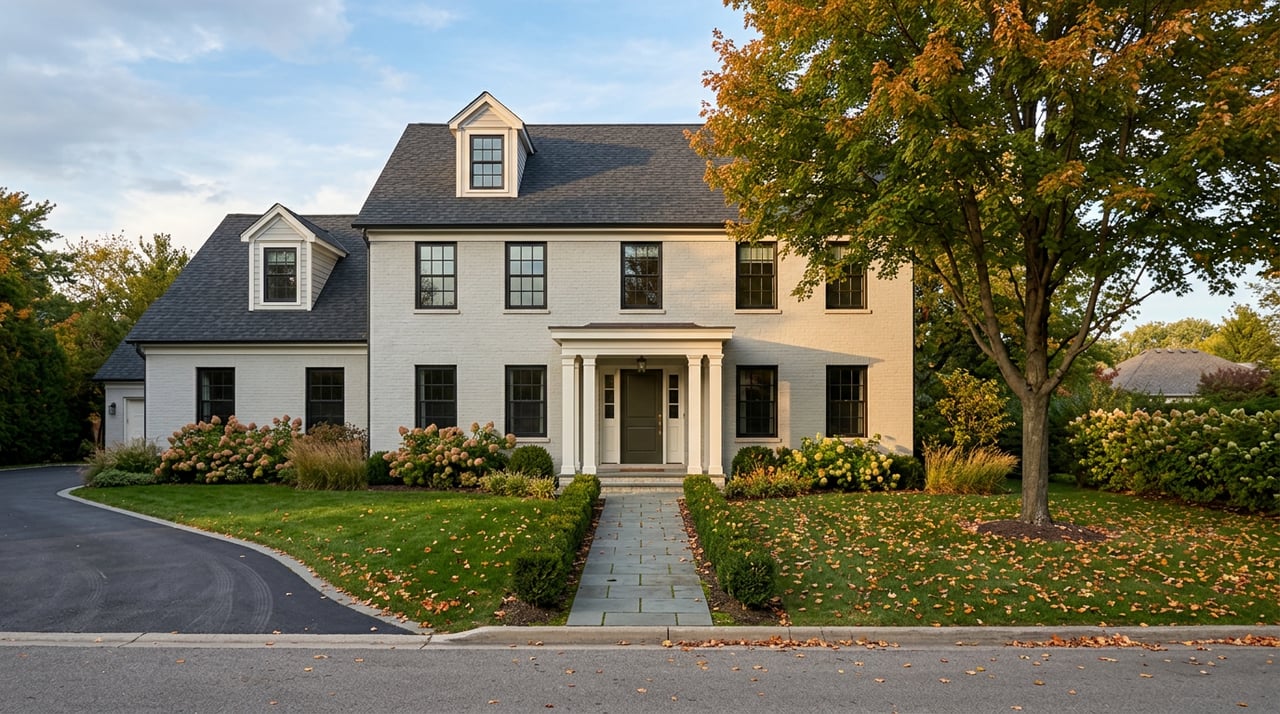
Renovation restraint: Make sure upgrades align with the home’s architecture, like respecting farmhouse simplicity or Colonial symmetry.
-
Town-specific appeal: Use the character of places like Lambertville or Clinton to guide style choices and positioning.
This lens keeps the asset aligned with demand across different market cycles. It also strengthens investing in real estate in Hunterdon County by focusing on features that remain consistently valued.
FAQs
Which Hunterdon County towns tend to feel most lifestyle-driven for investment planning?
I usually start with Clinton, Lambertville, and Flemington because each has a distinct center of gravity tied to dining, walkability, or daily convenience. The right choice depends on whether you want a village feel, river-town energy, or a hub with services.
What should I pay closest attention to on properties with acreage?
I focus on access, drainage, and the condition of any outbuildings, because those elements influence maintenance and long-term usability. I also make sure the house itself functions efficiently, since land can distract from layout issues.
How do you think about renovations for long-term value in Hunterdon County?
I prioritize upgrades that improve function and durability, like kitchens, baths, windows, and mechanical systems. I also align finishes with the home’s architecture so the result feels cohesive in its setting.
Contact Christine Cura Today
If you want a local plan for investing in real estate in Hunterdon County, reach out to me at Christine Cura. I can also map out micro-areas around Clinton, Flemington, Lambertville, and the I-78/Route 31 corridors so you understand how access, land, and town character shape long-term desirability.