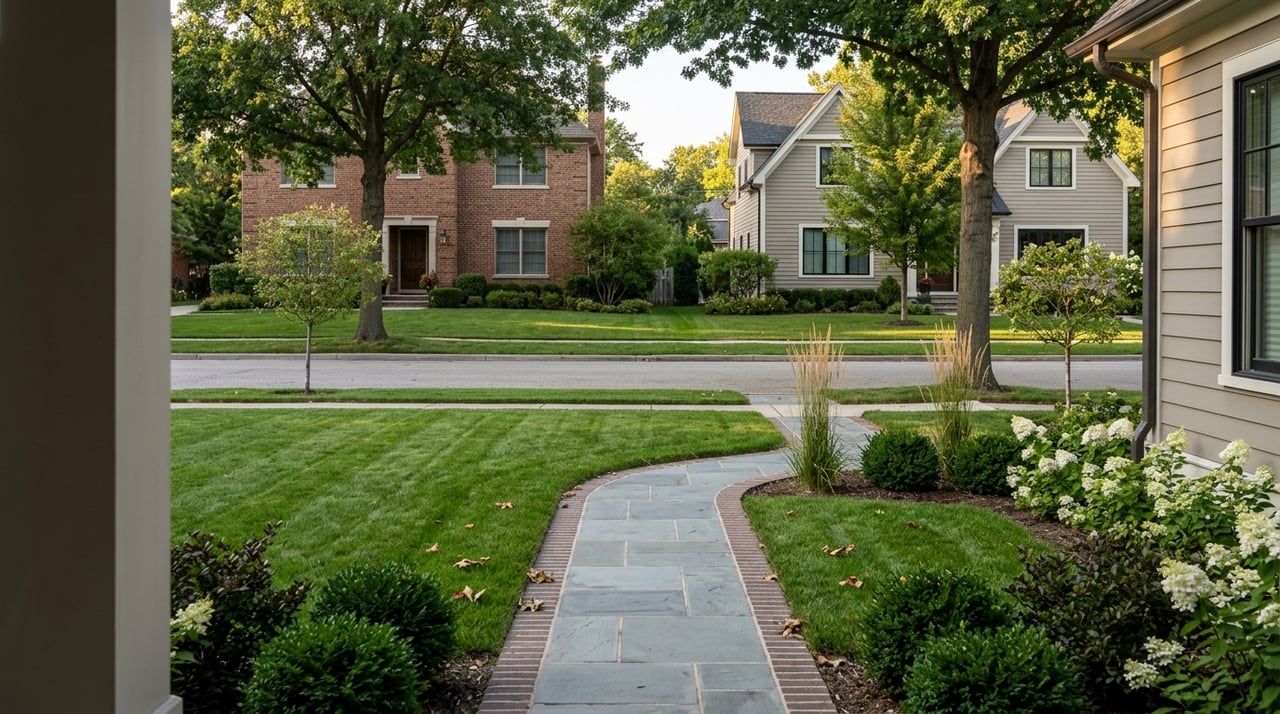
If you are choosing a neighborhood in Branchburg Township, you are not just picking a street address. You are deciding how you want daily life to feel, how you want to commute, and how much space, convenience, and upkeep fit this next chapter. The good news is that Branchburg offers several distinct patterns, and once you understand them, your search becomes much clearer. Let’s dive in.
How Branchburg Is Organized
Branchburg is best understood as a collection of hamlets, villages, and road corridors rather than one uniform suburban setting. The township’s planning documents identify historic neighborhoods such as Neshanic Station, North Branch, South Branch, Burnt Mills, and Centerville, while also treating the Route 22/28 corridor and North Branch Village expansion as distinct land-use areas.
That matters because your home search in Branchburg is often less about one “best” neighborhood and more about matching your priorities to the right type of setting. In simple terms, many buyers are weighing historic hamlet character against corridor convenience and newer housing forms.
Start With Your Lifestyle Priorities
Before you compare specific areas, it helps to get clear on what matters most to you. Branchburg has enough variety that a well-defined priority list can save you time and reduce second-guessing.
Ask yourself:
- Do you want an older neighborhood feel or a newer housing option?
- Is a larger lot important to you?
- Do you want easier access to major roads and daily services?
- Is train access part of your routine?
- How much traffic activity are you comfortable with?
- Do you want to be closer to parks and open space?
- Are you comfortable evaluating flood exposure and storm access as part of your search?
If you are moving during a life transition, this step matters even more. A neighborhood that looks appealing at first glance may not be the right fit if it does not support the way you want to live day to day.
Historic Hamlets vs Corridor Areas
Historic Branchburg Areas
If you are drawn to charm, established surroundings, and older-house character, Branchburg’s named historic neighborhoods may be a natural starting point. The township specifically identifies places such as North Branch and Neshanic Station as part of its historic neighborhood pattern.
North Branch is described in township planning documents as a quaint historic setting along the Raritan River, with homes maintained to reflect historic character. For buyers who appreciate that sense of place, this can feel very different from more recently planned parts of town.
These areas may appeal to you if you value:
- Older detached homes
- A more established setting
- Historic character
- A neighborhood identity shaped by local history
Route 22/28 Corridor Areas
If convenience is a higher priority, the Route 22/28 corridor deserves close attention. Branchburg plans this area as a mixed-use setting with residential, commercial, and recreational uses.
The township’s vision for the area near RVCC Drive and Route 28 includes sidewalks, on-street parking, bikeways, benches, and a public plaza. The broader Route 22 corridor is also intended to support retail, restaurants, personal services, and entertainment.
This area may appeal to you if you are looking for:
- Easier access to daily services
- A more connected, convenience-focused setting
- Newer or more compact housing options
- A location tied closely to future planning and redevelopment
What Housing Style Fits You Best?
Branchburg’s housing mix is not one-size-fits-all. The township still emphasizes rural character in undeveloped areas, and its planning framework uses lot-size rules in Hamlet and Village districts to help protect neighborhood fabric. In unsewered areas, lot-size adjustments also reflect septic constraints.
For you as a buyer, that means some parts of Branchburg will feel more spacious and lower density, while others may offer a more compact layout. This is especially important if you are deciding between a traditional detached home and a newer attached or multifamily option.
Recent construction patterns also show a shift. From 2009 through 2021, permits averaged about 16 units per year and were mostly for one- and two-family homes, but 2020 and 2021 included substantial multifamily permitting. In practical terms, some of Branchburg’s newer housing product is more compact than its older detached-home base.
Budget Matters in Different Ways Here
Branchburg buyers should go into the neighborhood search with realistic numbers. The township housing analysis shows a median home value of $574,500, but recent sales data reports an average 2024 sales price of $751,623.
That gap is important. It suggests today’s active market conversation may feel different from older snapshot data about home values.
Owner-occupied homes in Branchburg are also concentrated in higher value ranges:
- 46.6% are valued between $500,000 and $749,999
- 12.5% are valued between $750,000 and $999,999
- 4.8% are valued at $1 million or more
If you are financing your purchase, monthly ownership costs deserve just as much attention as the sale price. For mortgaged owner-occupants, the median monthly housing cost is $3,399, and 62.3% pay $3,000 or more per month.
That does not tell you what you personally should spend, but it does provide a useful benchmark as you compare older detached homes, larger-lot properties, and newer attached or multifamily choices.
Commute Patterns Can Shape Your Choice
Branchburg is organized heavily around roads rather than a single downtown. Somerset County lists county roads in Branchburg including CR 567, CR 614, CR 637, CR 641, CR 646, CR 665, and CR 679, and the township identifies U.S. 202 and U.S. 22 as critical evacuation routes.
For many buyers, commute convenience should be one of the first filters in the search. It often makes sense to compare neighborhoods based on access to the train, access to major roads, and your tolerance for traffic activity.
North Branch Station Access
North Branch Station is the township’s rail anchor on NJ Transit’s Raritan Valley Line. NJ Transit lists the station at River and Station Roads, about one mile south of Route 22, with parking available, bike racks or lockers available, 40 standard spaces, and no-fee parking.
If train access matters to you, the North Branch area may stand out. In a township where many pockets are more car-dependent, proximity to the station can be a meaningful differentiator.
Road Access and Traffic Considerations
If you rely more on driving, your neighborhood decision may center on access to Route 22, Route 202, and the county-road network. Homes closer to these corridors may make errands and commuting easier, but they may also place you closer to traffic-management activity and circulation changes.
NJDOT activity at Route 202 and Old York Road in August 2024 is one reminder that road access and intersection design remain active issues in Branchburg. For you, the key takeaway is simple: commute convenience and traffic tolerance are not always the same thing.
Quiet Versus Convenience
This is one of the biggest tradeoffs in Branchburg. Homes near the Route 22/28 and Route 202 corridors may offer easier access to services, shopping, dining, and planned mixed-use features.
At the same time, the township’s own plans show these areas are also more connected to redevelopment, circulation planning, and traffic management. If you prefer a setting that feels more removed from those changes, comparing locations outside the main corridor may make sense.
Neither choice is better in the abstract. The right fit depends on whether you place more value on access or on separation from busier roads and ongoing planning activity.
Open Space and Everyday Livability
For many buyers, neighborhood choice is not only about the house. It is also about how easy it is to enjoy the outdoors and build routines around nearby open space.
Somerset County’s North Branch Park offers 194 acres and nearly a mile of frontage along the North Branch of the Raritan River. North Branch Greenway Park adds features such as basketball and pickleball courts plus river access.
If access to parks matters to you, these amenities can shape how a specific part of Branchburg feels over time. They may be especially helpful if you are prioritizing walking, recreation, or multigenerational lifestyle needs as part of your move.
Flood and Storm Risk Should Be Part of the Search
Branchburg’s climate and hazard assessment ranks flooding as a high hazard, with severe storms and severe winter storms also at the top of the severity list. That makes risk review an important part of choosing a neighborhood, especially if you are considering river-adjacent or low-lying lots.
This does not mean you should automatically rule out those areas. It does mean you should pay close attention to drainage, flood exposure, and how access may be affected during storms.
Because the township identifies U.S. 202 and U.S. 22 as main evacuation routes, access during weather events is also worth considering. A home can be attractive on paper and still require a closer look if storm resilience is one of your priorities.
A Simple Way to Narrow Your Search
If you want to make your Branchburg search feel more manageable, use this framework:
Focus on Historic Character
Look first at North Branch, Neshanic Station, and other named historic neighborhoods if you want:
- Older-house feel
- Established surroundings
- Character tied to Branchburg’s historic hamlets
Focus on Newer or Compact Housing
Look more closely at the Route 22/28 corridor and similar areas if you want:
- Newer housing forms
- More compact living options
- Closer access to services and planned mixed-use features
Focus on Space and Lower Density
Compare areas outside the main corridor if you want:
- Larger lots
- Lower-density surroundings
- A setting more aligned with the township’s rural character goals
Focus on Commuting First
Use access to North Branch Station, Route 22, Route 202, and county roads as early filters if your schedule depends on efficient travel. In Branchburg, commute patterns can shape your daily experience as much as the home itself.
The Best Neighborhood Is the One That Fits Your Next Chapter
Choosing a neighborhood in Branchburg Township is really about fit. Some buyers want the feel of a historic hamlet, some want easier access to roads and services, and others want more space and lower density.
If you are buying during a relocation, downsizing plan, or family transition, it helps to slow the process down and compare areas through the lens of your actual routine. When you match the neighborhood to your lifestyle, budget, commute, and comfort with change, the right decision usually becomes much easier to see.
If you would like help thinking through which part of Branchburg best fits your goals, timelines, and next move, Christine Cura offers calm, informed guidance to help you move forward with clarity.
FAQs
What are the main neighborhood types in Branchburg Township?
- Branchburg is best understood as a mix of historic hamlets and major road corridors, including areas such as North Branch, Neshanic Station, South Branch, Burnt Mills, Centerville, and the Route 22/28 corridor.
Which Branchburg areas may appeal to buyers who want historic character?
- Buyers looking for historic character often start with North Branch, Neshanic Station, and other named historic neighborhoods identified in township planning documents.
Which Branchburg areas may have newer or more compact housing?
- The Route 22/28 corridor and related planned growth areas are the strongest places to explore if you want newer or more compact housing options.
What is the average home price in Branchburg Township?
- Recent sales data for Branchburg reports an average 2024 sales price of $751,623, while the township housing analysis lists a median home value of $574,500.
Does Branchburg Township have train access?
- Yes. North Branch Station on NJ Transit’s Raritan Valley Line is located at River and Station Roads and offers parking, bike racks or lockers, and no-fee parking.
What should buyers know about flood risk in Branchburg Township?
- Branchburg ranks flooding as a high hazard, so buyers should pay close attention to drainage, flood exposure, and storm access, especially when considering river-adjacent or low-lying lots.